.svg)

.webp)
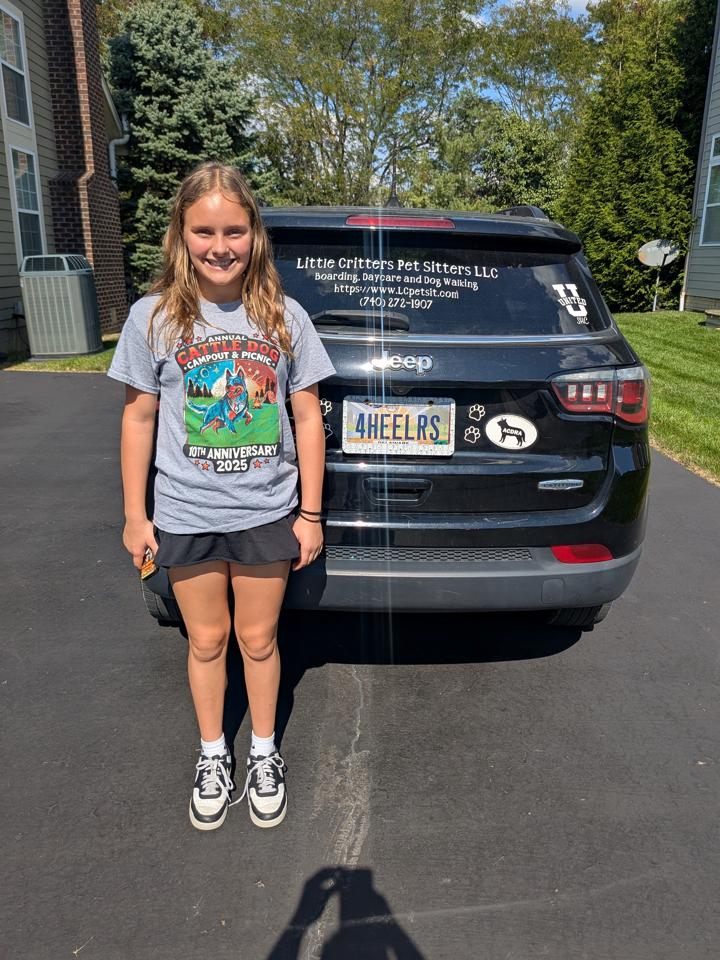
When Jen Fashing launched Little Critters Pet Sitters LLC in Ohio, she wasn't new to the world of animal care. She had already spent years as a vet tech, working in ER and ICU environments where high-stakes cases were the norm. But when COVID turned everything upside down and her daughter began kindergarten, Jen made a difficult decision to step back from vet med and find something more flexible that will still let her stay close to animals.
What started as a few pet sitting clients grew quickly into something much more. As families began traveling again, demand picked up, and Jen took the leap to go all in on her pet care business. "It was really nerve-wracking," she says. "But I did it, and I don't have a single regret."
Today, Little Critters offers drop-in visits, in-home dog daycare, and pet boarding, providing personalized care not only for dogs and cats, but also for hobby farm animals and exotic pets—all run entirely by Jen herself. While many pet care businesses expand quickly into teams, Jen has intentionally kept things small and personal. She’s currently exploring ways to grow her drop-in services by adding a few trusted team members in the future, but her priority is maintaining the warm, community-focused experience that her clients have come to love. In fact, one of her top goals this year is to bring on an extra set of hands specifically to support the growing demand for drop-in visits.
Her background in veterinary care and dog training gives her an edge in understanding animal behavior, while her flexible, empathetic approach keeps both pets and pet parents at ease. If a dog doesn't love daycare? Jen offers to switch to drop-ins without a second thought. "I just want everyone to be happy," she says. "Especially the dogs."
But what really sets Jen apart is her deep investment in the community. Little Critters isn't just a service; it's a hub for pet lovers. Her quarterly newsletters are packed with photos, important dates, shout-outs to other local businesses, and even fundraisers for her daughter's cheerleading team. There are bios for new hires (when she brings them on), updates on past foster dogs, and playful touches like featuring a client’s dog as Employee of the Month. "Your pets are my pets," she says, and she means it.
The secret to staying organized as a solo pet care provider
As a busy mom running a growing business on her own, Jen knew she needed something that could help her stay organized and keep everything running smoothly. Before switching to PetPocketbook, she managed everything with binders and paper files. Scheduling, client notes, and communication all lived in different places, and keeping up as her business grew became overwhelming. “I didn’t have time to flip through papers and figure out what was what,” she said. “I needed something that worked with me, not against me.”
Once she made the switch, she never looked back. The biggest shift was in how quickly she could access everything she needed. “Having all the information in one place made a huge difference,” Jen said. “It was easier on me, and it made me look more professional to new clients.”
That professionalism is clear from the very first interaction. With PetPocketbook’s digital intake forms and organized, user-friendly setup, Jen’s onboarding process feels smooth and intentional from day one. “It helps set the tone for new clients,” she said. “They know right away that this is a professional, well-run business, and they feel confident leaving their pets in my care.”
Jen now saves hours each week by using PetPocketbook to centralize everything from scheduling and client notes to invoicing and communication. She especially appreciates how easy it is to send updates to her entire client base. “If I have an update or need to reach all my clients at once, I don’t have to send individual texts anymore. I can send one message [through PetPocketbook’s in-app messenger] and know it’s reaching the right people.” Instead of relying on social media posts and hoping clients would see them, Jen can also share quarterly newsletters directly using the documents feature in PetPocketbook. “I can see who’s opened it,” she said, “so I know the message got through.”
That visibility has helped her stay more engaged and proactive with her clients, and it’s also opened the door for creativity. From sharing her daughter’s cheerleading fundraisers to spotlighting a pet of the month, she uses the platform to reinforce her brand and deepen client relationships in ways that go beyond the basics.
As her business grew, Jen needed a clearer picture of what was driving that growth. With PetPocketbook, she can quickly pull up stats like how many new clients she brought on last year, how demand compares between dog walking and pet sitting, and when her busiest times tend to be. That insight makes it easier to plan ahead, make smart decisions about growth, and manage her time more effectively.

Combining pet care and dog rescue
Jen's rescue work with the Australian Cattle Dog Rescue Association (ACDRA) is a natural extension of her business and values. She's fostered more than 20 dogs, serves on ACDRA's board, and even founded their now-beloved virtual fundraiser, Dingo Bingo. In fact, we were proud to spotlight ACDRA as our Shelter of the Month this January—thanks to Jen's connection and care.
Sometimes, her business and rescue work blend in heartwarming ways, like when one of her fosters, Ernie, bonded with a daycare client named Stella. Jen noticed how inseparable they had become during their time at her home. "They were best friends from day one," she remembers. When Stella’s parents came to pick her up, Jen gently suggested they consider adopting him. "He already had his best friend. Why break them up?" she said. They agreed, and now Ernie lives with his best friend full time.
Another one of Jen’s fosters who had been through a rough start finally learned to trust other dogs thanks to the constant presence of friendly daycare regulars. That kind of progress isn’t always possible in traditional rescue settings, but Jen’s blended environment offers unique opportunities for dogs to grow and connect.
Bringing fosters into her home also enhances her ability to help them thrive. With different pets coming and going for daycare or boarding, her fosters are naturally exposed to a wide variety of social situations. If she ever needs to see how a dog reacts to a specific environment, like a household with cats, kids, or even horses, she can often call on her clients for help. That kind of community resource sharing wouldn't be possible without the strong relationships she’s built through Little Critters.
Growing with care
As she looks ahead, Jen is focused on thoughtful growth. She hopes to expand her services to reach more pet parents in need of drop-in visits while keeping the tight-knit, trusted feel that has made Little Critters so beloved.
"I want people to think, 'My dog feels safe here. They feel at home.' That means everything to me."
To other pet care professionals, Jen offers this advice: invest in continuing education and make time for self-care. Whether it's pet first aid, dog behavior courses, or simply setting boundaries to avoid burnout, staying informed and supported makes all the difference.